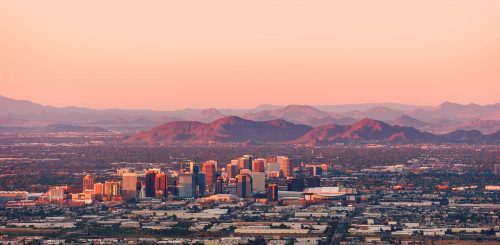
If you are moving from Illinois to Arizona, you are trading frozen windshields and gray winter skies for sunshine, palm trees, and a desert lifestyle that thousands of Midwesterners already call home. This is more than a change of scenery. It is a full reset of how you live, work, and even store your winter coat.


Sealing boxes securely prevents damage and keeps items safe during transit.
Goodbye to Seasonal Depression: What Really Changes in Arizona
Leaving the Midwest for the Southwest changes your daily life in ways you feel almost right away. Here is what to expect once you become a desert dweller.
You Can Finally Retire the Parka
The heavy winter coat, the thermal layers, and the snow boots can all go. In the Phoenix metro area, winter means a light jacket on cool evenings and nothing more. No more scraping ice off the car before work. No more shoveling the driveway at dawn. For anyone moving to Arizona from Chicago, that first snow-free January feels like a small miracle.
300 Days of Sunshine
Arizona gets sunshine almost year round, and that steady daylight has a real effect on how you feel. Many newcomers find that the winter blues they lived with for years in Illinois simply fade. Weekends start to look different when the weather cooperates in every season. Morning hikes, golf, and long patio breakfasts become part of normal life instead of a summer treat.
The Trade-Off: Preparing for Summer Heat
The heat is the part you plan for. From June through September, daily highs often stay above 100°F and regularly climb past 110°F. Your routine simply shifts with the season. Outdoor walks and hikes move to the early morning, sometimes as early as 5:30 AM, and the hottest hours belong to air conditioning and the pool. Once you adjust, it becomes second nature, the same way Midwesterners learn to plan around snow. Late summer also brings the monsoon, a stretch of dramatic afternoon storms that cool the air and put on a real show over the desert. When the heat peaks, locals escape north to Flagstaff or Sedona, where the pines and cooler temperatures feel like a different state entirely.
Ready for a Long Distance Move?
Get A Quote
Desert Architecture: Why Arizona Homes Skip the Basement
One of the first surprises for Illinois natives is the way desert homes are built. In the Midwest, a basement is a given. It holds the holiday decorations, the old sports gear, and years of things you forgot you owned. In Arizona, basements are rare.
The reason is the ground itself. Desert soil contains a hard clay layer called caliche, and the frost line sits very shallow. Digging a basement is expensive and mostly unnecessary, so builders skip it. Attics stay small too, because of the heat.
What a Missing Basement Means for Your Move
Less basement and attic space changes how much you can realistically bring. Decluttering before the move is not optional here. It is one of the smartest steps you can take.
- Be selective. If you have not used something in a year, sell it or donate it before the truck arrives.
- Measure first. Arizona homes often have open floor plans, so bulky Midwestern furniture does not always fit the new layout.
- Respect the garage heat. Anything stored in an Arizona garage bakes in summer temperatures above 120°F. Candles melt, some plastics warp, and sensitive electronics can fail.
A lighter, better-planned load also keeps your costs down, since long-distance pricing is tied closely to weight and volume. Moving fewer boxes is one of the easiest ways to save on a cross-country move.
Auto Transport
Move your car across the country in an open or enclosed trailer – for an affordable fee. We offer car transport as a standalone service, but you can bundle it with your household move and get a hefty discount.
Learn moreMoving Services
Treat yourself with a white glove long distance moving service that’s based on the inventory list and not weight. This means a price guarantee, transparent move costs and premium moving service.
Learn moreMoving Insurance
All your stuff is secure with Long Distance USA Movers, but in case something does happen to it, there’s a moving insurance policy in place. We offer both basic Valuation Coverage and Full Value Protection.
Learn moreThe Booming Desert Economy: Why Young Professionals Are Moving In
Arizona used to carry a reputation as a retirement state. That idea is out of date. The Phoenix area has become one of the most active job markets in the country, and young professionals are a big part of the growth. The relocation to the Sunbelt is no longer driven by snowbirds alone.
Tech and the Rise of the Silicon Desert
The region has drawn technology firms, semiconductor plants, and autonomous vehicle testing, helped along by major TSMC expansions. If you work in software, IT, or engineering, the market is very much on your side. Plenty of transplants now move first and let the job search follow, because the openings keep coming.
Healthcare and Finance Are Hiring Too
The opportunity reaches well beyond tech. Large healthcare networks like Banner Health and Mayo Clinic employ thousands across the valley, and both keep expanding. Major financial companies have also moved regional operations to the Sunbelt, drawn by lower costs and a deep, growing talent pool. For a young professional, that mix of stable employers and new arrivals means the network you build here keeps opening doors.
A Healthier Work-Life Balance
Local employers understand why people move here. Many offer flexible summer hours so staff can enjoy the cooler early mornings or head to the mountains for the weekend. In Arizona, the lifestyle is part of the pitch, not an afterthought.

Hiring professional movers ensures heavy furniture is safely carried down stairs.
Cost of Living: Illinois vs Arizona
Arizona has grown more popular and a little pricier than it once was, but it still holds clear financial advantages over Illinois. When you look at the cost of living in Phoenix next to the Chicago suburbs, a few numbers stand out.
| Expense | Illinois (Chicago area) | Arizona (Phoenix metro) | What It Means for You |
|---|---|---|---|
| Property Taxes | Among the highest in the US | Historically low | Major savings, often thousands per year |
| Income Tax | Flat rate near 4.95% | Flat rate near 2.5% | More money stays in your paycheck |
| Utilities | High winter heating bills | High summer cooling bills | Roughly even, the cost just shifts seasons |
| Vehicle Registration | Standard flat fee | Based on vehicle value | Can run higher for newer cars |
The headline is simple. What you save on property and income taxes often outweighs the higher summer electric bill and the value-based vehicle registration.
When Is the Best Time to Move to Arizona?
Spring and fall are the most comfortable windows for a desert move. From October through April, mild temperatures are easy on both the crew and your belongings, which makes loading and unloading far less stressful. Summer is peak season across the moving industry, so booking early matters if your dates land between June and August. A move planned a few weeks ahead almost always costs less and gives you a better choice of dates.

Researching local voting laws and political districts helps long-distance movers settle in easily.
Where to Live: Best Arizona Neighborhoods for Illinois Transplants
Not sure where to settle? These areas are popular landing spots for Midwesterners heading to the Grand Canyon State, and each one suits a different stage of life.
- Gilbert. One of the best Arizona neighborhoods for families, with strong public schools, safe master-planned communities, and a lively downtown.
- Scottsdale. Great for young professionals and empty nesters who want high-end dining, shopping, nightlife, and world-class golf.
- Chandler. The core of the Silicon Desert, ideal for tech workers who want a short commute and excellent parks nearby.
- Downtown Phoenix. The right fit if you will miss the energy of Chicago, with high-rise condos, craft breweries, sports arenas, and light rail.
Protecting Your Belongings from the Desert Climate
Moving from a humid, freezing region to a dry, scorching one is harder on your belongings than most people expect. This is where the right long-distance movers make the difference between a smooth arrival and a pile of damaged furniture.
Reviewing lease agreements and finalizing paperwork ensures a smooth move into your new home
The Hidden Risk of Humidity Shock
Illinois air is humid. Arizona air is extremely dry. That sudden change happens over a matter of days, and some of your belongings feel it far more than others.
- Wooden furniture. Hardwood absorbs moisture in Illinois and contracts quickly in the desert. Without proper care, a favorite dining table or antique dresser can warp, crack, or split at the joints. The pieces with the most sentimental value are often the ones most at risk.
- Electronics and art. Large temperature swings inside a standard moving truck can damage sensitive electronics and ruin fine art.
How Long Distance USA Movers Protects Your Move
At Long Distance USA Movers , your things do not simply get tossed in a truck for a 1,700 mile ride. The move is planned around the desert climate from the very first call.
- Specialized packing. Trained packers use breathable, climate-adaptive materials and condition wooden pieces so they adjust slowly to the drop in moisture. These packing services for cross-country moves are built for exactly this kind of climate change.
- Climate-controlled transit. High-value items travel in trucks where temperature and humidity are monitored, not left to bake in a metal box.
- Handling for delicate items. Pianos, wine collections, and other fragile pieces get proper crating and careful handling from start to finish

Professional movers handle heavy lifting on staircases to keep your moving day safe and efficient
Should You Ship Your Car to Arizona?
Driving a rental truck 1,700 miles across the plains, over the Rockies, and into the desert is a long and tiring trip. For most families, car shipping to Arizona is the easier path.
With Long Distance USA Movers , you can choose open or enclosed auto transport. Fly out of O’Hare, land at Sky Harbor a few hours later, and have your vehicle delivered to your new driveway. No highway fatigue, no hotel stops, and no rising fuel bills along the way. Your car arrives in the same condition it left, and you skip days behind the wheel. For families with two vehicles or a second car nobody wants to drive that far, shipping quickly pays for itself in fuel, hotels, and peace of mind.
Ready for a Long Distance Move?
Get A Quote
Ready to Trade Snow for Sunshine?
A cross-country move is a big step, and the logistics should not overshadow the excitement of a fresh start. Whether you are heading to Phoenix for a tech job, Gilbert for the schools, or Scottsdale for the lifestyle, Long Distance USA Movers handles the packing, the climate control, and the car shipping. Thousands of families have already made this exact move, and the ones who plan ahead tend to look back on it as one of the best decisions they made. That leaves you free to settle in, unpack at your own pace, and enjoy your new place in the sun.
FAQ
How long does a move from Illinois to Arizona take?
Transit usually runs 5 to 14 days, depending on the route, the size of your shipment, and the weather. Your moving coordinator will give you a clear delivery window before the truck leaves.
Should I buy new furniture before or after the move?
After. Arizona floor plans are different and homes lack basements, so it is smarter to move only what you truly need and buy pieces that fit your new space once you arrive.
Is it safe to move during the Arizona summer?
Yes, with the right planning. Summer moves mean handling heat well above 100°F, so crews start at dawn and climate-controlled trucks protect your belongings along the way.
How much does it cost to move from Illinois to Arizona?
It depends on your home size, the services you choose, and the season. Summer is peak moving time and tends to cost more. Reach out for a clear, customized quote based on your actual shipment.
Will my furniture and belongings handle the dry desert air?
Most items adjust with time, but wood furniture, houseplants, and some electronics need care during the switch from humid to dry conditions. Proper packing and a gradual acclimation protect the pieces that feel the change the most, which is exactly what a climate-ready mover plans for.