Moving rarely follows a perfect schedule, even when you plan every detail in advance. Closing dates slip, leases create unexpected gaps, and new builds often run weeks behind, leaving your belongings in limbo.
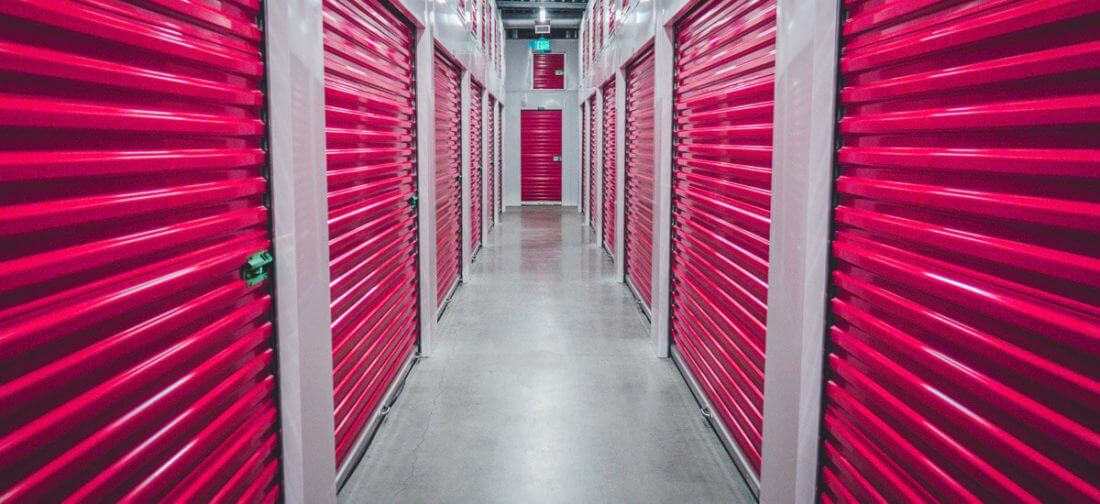
Self-storage units provide a secure and convenient solution for keeping your belongings safe during a long-distance move.
When that happens, choosing the right storage setup becomes one of the most important decisions of your entire relocation. The question is simple but the stakes are high: should you pay extra for climate-controlled storage, or will a standard unit do the job? At Long Distance USA Movers, we help families answer this exact question every week, and the honest answer depends on what you own and how long you need to store it.
What Climate-Controlled Storage Actually Means
People often assume “climate-controlled” just means there’s an air conditioner running somewhere in the building. The reality is much more involved. A proper climate-controlled facility relies on industrial HVAC systems paired with dedicated dehumidifiers, working together to keep both temperature and humidity within a narrow, stable range.
Inside a standard metal storage unit, summer temperatures can climb past 120°F during the afternoon and drop below freezing overnight in winter. Those swings cause humidity to spike and crash along with the dew point, which means moisture is constantly settling on your belongings and then evaporating again. That cycle is what damages furniture, electronics, and paper goods over time.
Premium climate-controlled facilities hold temperatures steady between 55°F and 80°F and keep humidity around 50% to 55%. That stable environment stops mold from growing, prevents solid wood from warping, and protects sensitive electronics from corrosion. With the kind of extreme weather patterns we’ve seen in recent years, this level of protection has shifted from a nice perk into a basic requirement for most household goods.
Items That Belong in Climate-Controlled Storage
Solid Wood Furniture
Wood absorbs and releases moisture from the air around it. In a fluctuating environment, your dining table expands when humidity rises and contracts when it drops. Within weeks, antique dressers, oak bed frames, and heirloom furniture can warp, crack, or split at the joints.
Leather and Upholstery
Leather needs stable conditions to last. Heat dries out the natural oils, causing sofas to crack and peel. Humidity does the opposite damage, turning leather and fabric upholstery into a breeding ground for mildew and mold. Once mold settles into a mattress or sofa, the item usually has to be thrown out.
Electronics and Appliances
Flat-screen TVs, gaming consoles, computers, and household appliances all contain delicate circuitry. Condensation inside a metal unit can rust internal parts and short out motherboards. Heat can melt plastic housings, warp screens, and degrade the rubber components inside washers and dryers.
Fine Art and Antiques
Canvases sag and stretch in humid air, ruining the tension of the artwork. Oil and acrylic paints can blister, crack, and flake when temperatures swing too far. Photographs stick together permanently once exposed to moisture, and trying to separate them usually destroys the image.
Musical Instruments and Records
Pianos, acoustic guitars, and stringed instruments stay under constant tension. In unmanaged heat and humidity, soundboards crack and necks warp out of tune for good. Vinyl records, often a serious investment for collectors, can warp beyond playability after just one hot summer inside a metal unit.
Documents and Books
Paper breaks down quickly in humid conditions. Tax records, certificates, comic collections, and rare books yellow, stick together, and eventually fall apart when stored in unmanaged conditions for long periods.
When Standard Storage Is Actually Fine
We want to be straightforward with you, because not every situation calls for the upgrade. Standard storage units serve a real purpose, and using them correctly can save you money.
Standard units work well for:
- Patio furniture, outdoor dining sets, and weather-rated umbrellas
- Lawnmowers, garden tools, snowblowers, and metal hardware (with fluids drained)
- Plastic bins of durable goods like holiday lights and non-fragile decorations
- Bicycles, kayaks, and outdoor sports gear
- Short-term storage of less than a week during mild spring or autumn weather
The rule of thumb is simple. If an item was designed to sit outside, it can handle a standard unit. Once your timeline stretches past a week, or you’re storing through peak summer or deep winter, your indoor household goods belong in a climate-controlled space.
The Real Cost of Cutting Corners on Storage
Climate-controlled storage usually runs 30% to 50% more per month than a standard unit of the same size. A 10×10 standard unit at around $150 per month becomes roughly $225 for the climate-controlled version. Over a three-month gap, you’re paying an extra $225 or so for the upgrade.
Now compare that to what damage actually costs:
- A ruined $3,000 memory foam mattress with mold infestation
- A cracked $2,500 heirloom dining table
- A $1,200 smart TV with corroded internal wiring
- A warped vintage guitar that can’t be repaired
- Boxes of family photos that fused together permanently
The math gets clear very quickly. Spending an extra $200 to $300 over a few months is a small price compared to replacing thousands of dollars of furniture, electronics, and irreplaceable items. Think of climate-controlled storage as an insurance policy with a guaranteed payout, because the conditions inside the unit are designed to make damage almost impossible.
Ready for a Long Distance Move?
Get A Quote
Why Bundling Storage With Your Movers Makes Sense
Renting your own climate-controlled unit at a public self-storage facility is a step up from standard storage, but it’s still a complicated process. You have to rent a truck, load your belongings, drive to the facility, unload everything into the unit, and repeat the whole job in reverse when your new home is ready. Every time someone handles an item, the risk of drops, scratches, and damage goes up.
Bundling storage directly with your long-distance moving company removes most of that handling and stress. At Long Distance USA Movers, we offer integrated storage solutions designed specifically for clients dealing with timeline gaps. Here’s how the process works in practice:
Professional packing and loading. Our team comes to your home, takes a full inventory, wraps your furniture in protective blankets, and loads everything carefully onto our trucks.
Vaulted, climate-controlled storage. Instead of leaving your items at a public facility with questionable security, your belongings go straight to our private, climate-controlled warehouse. Each item is placed inside heavy-duty wooden storage vaults that stay sealed for the entire storage period.
Seamless delivery to your new home. When your new place is finally ready, whether that’s in three weeks or three months, one phone call gets the process moving. Our team loads your vaults onto a truck and delivers your belongings directly into the rooms of your new home.
Keeping your items inside a single chain of custody is the safest way to handle a long-distance move with a storage gap. You reduce handling, eliminate the headache of managing third-party storage leases, and your insurance coverage stays continuous from pickup all the way to final delivery.
Moving Insurance
All your stuff is secure with Long Distance USA Movers, but in case something does happen to it, there’s a moving insurance policy in place. We offer both basic Valuation Coverage and Full Value Protection.
Learn morePacking Service
Sit back and relax, we’ve got packing services covered. We use moving blankets, shrink wrap, bubble wrap and even custom wooden crating. Your stuff will be protected and carefully handled during the move.
Learn moreStorage Services
Our spacious climate-controlled units will protect your things until the drop-off. No need to worry about them because all items are labeled and secure, and each customer gets a dedicated unit mixup isn’t possible.
Learn moreMaking the Most of the Waiting Period
Living between two homes can feel unsettling, but a smart approach turns that gap into productive time. With your main belongings safely tucked into vaulted storage, you only need to plan around what stays with you in temporary housing.
Pack a thorough survival box. Treat the gap like an extended vacation. Two to three weeks of seasonal clothing, daily medications, kids’ comfort items, laptops, and basic kitchen tools should cover you in any short-term rental or hotel.
Keep important documents close. Passports, birth certificates, social security cards, and closing paperwork should never go into long-term storage. Keep them in a fireproof folder that stays with you throughout the move.
Set up mail forwarding early. A premium mail forwarding service or a P.O. Box in your new city ensures you don’t miss bills, legal notices, or anything connected to your new home purchase.
Build a routine quickly. The absence of familiar furniture can be hard on kids and pets. A consistent daily schedule in your temporary place creates a sense of stability while you wait for the move to wrap up.
The Bonus Benefit of Patience
One advantage of integrated moving and storage often gets overlooked: time itself. Because you’re not rushing to unload a rented truck by a deadline or burning money on daily vehicle rentals, you can slow down and think clearly about your next chapter.
If you’re renting temporarily while shopping for a permanent home, use that gap wisely. Drive through different neighborhoods at rush hour to test the commute. Walk the area at night to get a real sense of the atmosphere. Visit local parks, chat with people at coffee shops, and ask honest questions about the schools.
With your furniture and heirlooms secured in a climate-controlled warehouse, you’re not pressured to settle for the first house that meets the basics. You have the freedom to wait for the right home, because the logistics are already handled.
Ready for a Long Distance Move?
Get A Quote
Protecting What Matters Most
Moving to a new city should be the start of an exciting chapter, not a logistical disaster that costs you years of accumulated belongings. When timelines slip and you need a storage solution, choosing a standard metal unit for indoor furniture is a gamble that rarely pays off.
Climate-controlled storage is a baseline requirement for protecting items you’ve spent years collecting. Bundling that storage with your long-distance moving service turns a complicated transition into a straightforward, single-vendor experience. At Long Distance USA Movers, we specialize in handling exactly these kinds of moves, with full-service packing, secure vaulted storage, and direct delivery into your new home whenever you’re ready.
Reach out for a complete quote on your upcoming move, and let our team handle the heavy lifting, the careful inventory work, and the climate-controlled protection your belongings truly deserve.
FAQ
Can I access my items while they're in storage?
With bundled storage from a full-service moving company, your belongings are kept inside vaulted warehouse storage rather than a public self-storage unit. These large wooden vaults are stacked by forklifts and sealed to maintain security and chain of custody, which means casual access isn’t typically available. That’s why packing a thorough survival box of essentials matters so much during the gap period.
Does moving insurance cover items in storage?
Yes, but usually only with an integrated service. When you use climate-controlled storage provided by your long-distance movers, your valuation coverage continues through the entire storage period without interruption. If you drop your belongings off at a third-party self-storage facility, the mover’s chain of custody ends and so does their coverage. Integrated storage keeps the insurance intact from start to finish.
How long can items stay in climate-controlled storage?
As long as you need. Because climate-controlled storage regulates both temperature and humidity, the conditions that normally damage furniture, paper, and electronics are essentially neutralized. Whether you need three weeks for a closing delay or three years for an overseas work assignment, your belongings remain in the same condition as the day they were packed.
Is standard storage ever a good choice for an interstate move?
Rarely. While standard storage works fine for patio furniture or garage tools, an interstate move usually involves your entire household: indoor furniture, mattresses, electronics, and irreplaceable family items. The combination of long timelines and unpredictable weather makes standard storage far too risky for your primary household goods.